In the fast-paced world of business, success is often measured by power, performance, and productivity. For many business leaders, the climb to the top comes with intense pressure, long hours, high expectations, and little room for personal vulnerability. While executives are expected to lead with confidence and composure, behind the scenes, many silently battle addiction—a hidden struggle that threatens not only their health but also their careers, relationships, and sense of purpose.
Addiction among business leaders is more common than many realize. Whether it’s alcohol, prescription medication, or other substances, the reliance often begins as a way to manage stress or maintain energy through demanding schedules. Over time, the coping mechanism becomes a destructive habit. The mask of control remains in public, but behind closed doors, the personal cost grows.
Recognizing the Shift: From Power to Pain
One of the greatest challenges for business leaders dealing with addiction is admitting there’s a problem. Success often breeds a false sense of invincibility, and many believe they can control their use or manage their responsibilities despite growing dependence. But addiction does not respect titles or achievements. It gradually erodes clarity, damages professional judgment, and creates emotional instability. Relationships suffer, and performance begins to slip. The very power that once defined a leader starts to slip away.
Acknowledging this shift from power to pain is the first courageous step. It requires honesty, humility, and a willingness to confront uncomfortable truths. But it’s also the gateway to something far more meaningful: purpose.
Breaking the Chains: A Path Toward Recovery
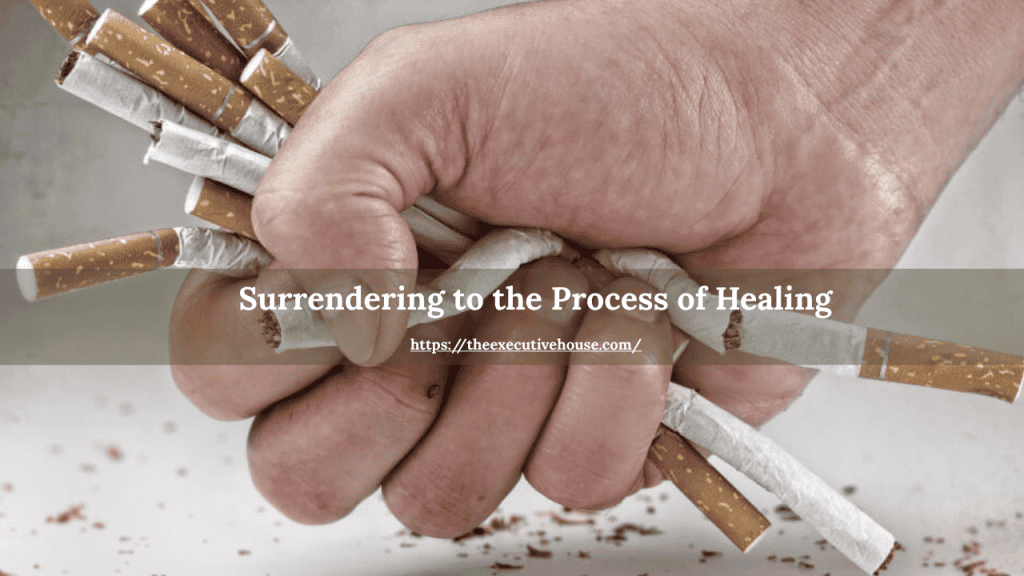
The journey to recovery begins with recognizing that true strength lies not in control, but in surrendering to the process of healing. Business leaders must give themselves permission to seek help—without shame. Confidential treatment options tailored to professionals are available, offering privacy, structure, and support for those who need it most.
Recovery involves more than detox or abstinence. It’s a comprehensive transformation that includes physical healing, mental clarity, emotional resilience, and spiritual renewal. Executives can use their goal-setting and strategic skills to create a recovery plan, incorporating therapy, support groups, mindfulness practices, and wellness routines into their daily lives.
Rediscovering Purpose
As recovery takes root, something powerful begins to happen: the leader begins to reconnect with purpose. No longer driven solely by power, profits, or prestige, the focus shifts to values, relationships, and authenticity. The experience of overcoming addiction can deepen empathy, improve decision-making, and foster more meaningful leadership. Leaders in recovery often become role models, inspiring others to prioritize well-being and seek support without fear.
By choosing recovery, business leaders reclaim more than their sobriety—they reclaim their humanity. And in doing so, they often become better leaders, partners, and individuals than they were before.
Conclusion
Addiction may challenge a business leader’s power, but it also opens the door to something more lasting—purpose. Breaking free from addiction is not a step backward; it’s a bold step forward into a life defined not by status or control, but by clarity, connection, and true leadership from the inside out.